

 Excursions & Tours
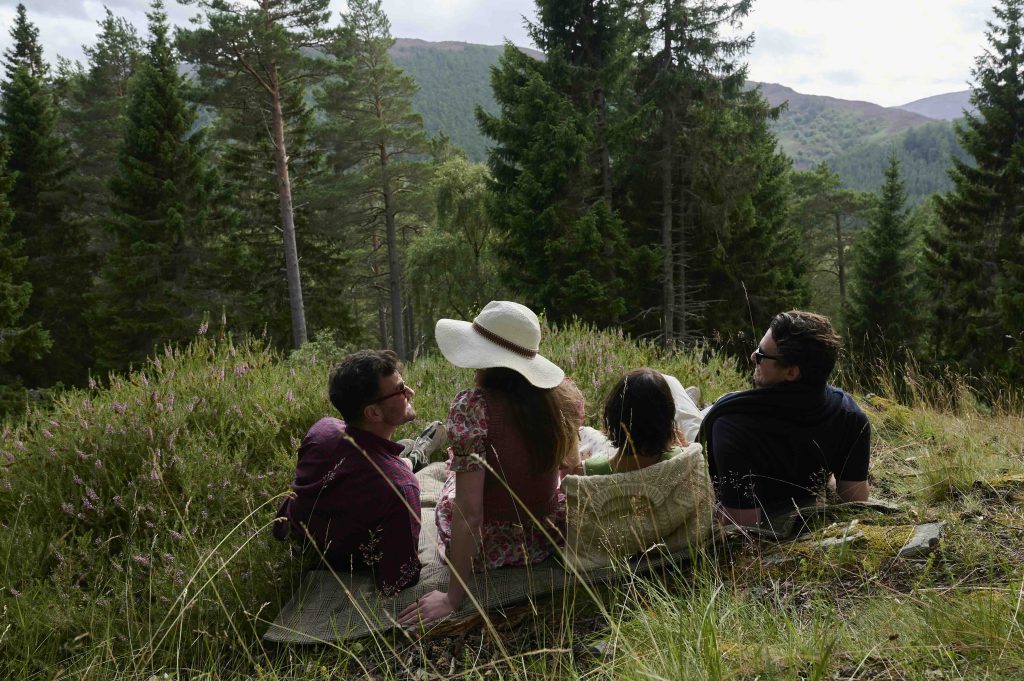 Country Pursuits
 Art & Culture
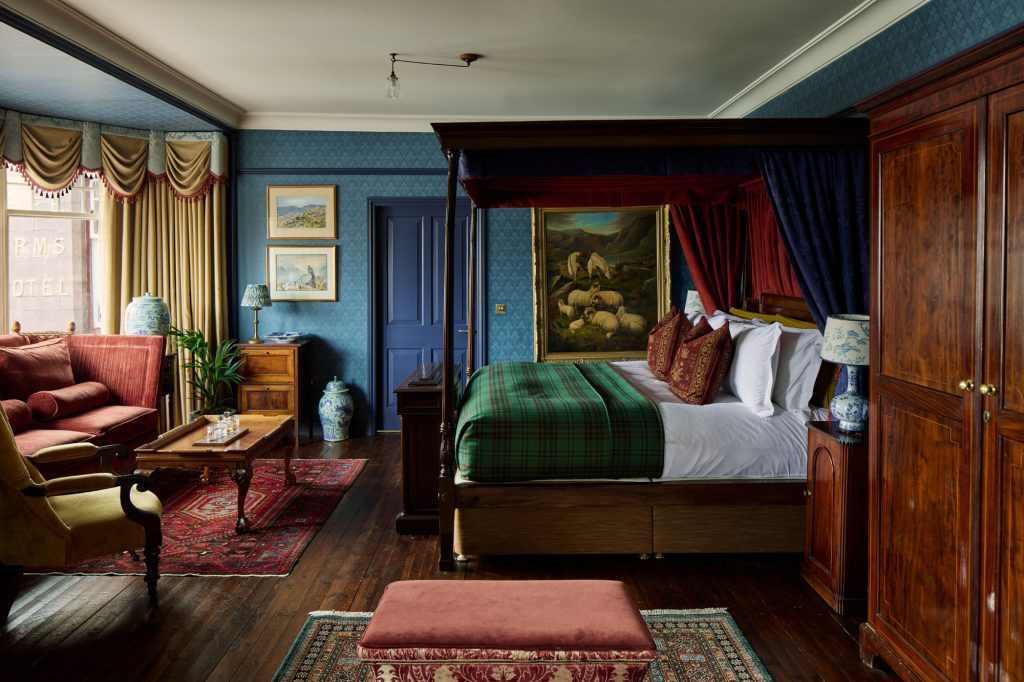 Family Suites
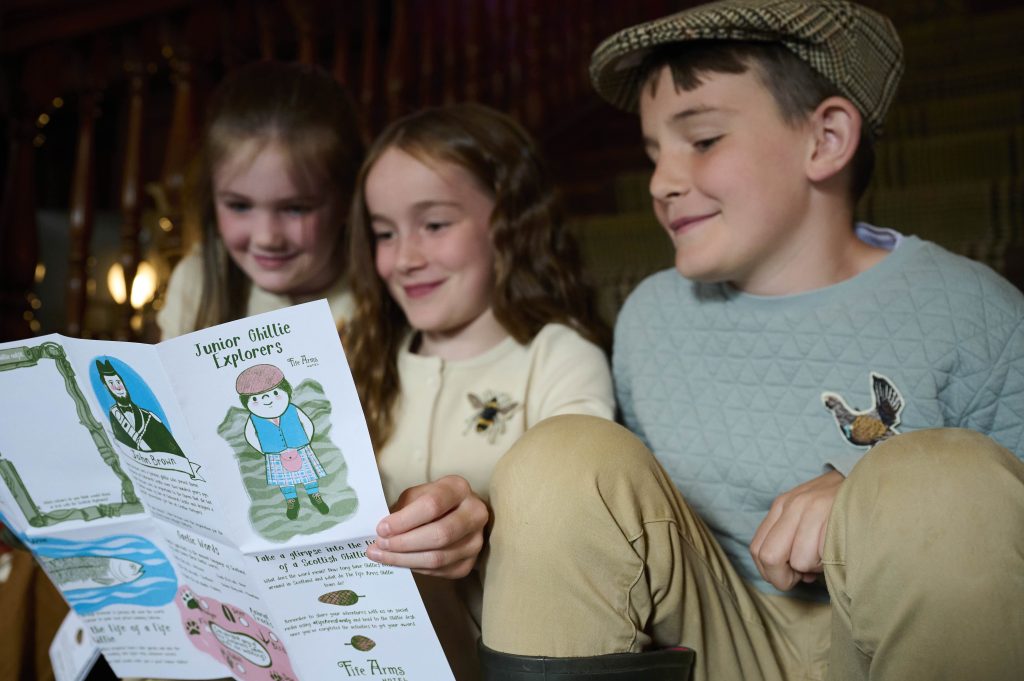 Family Activities
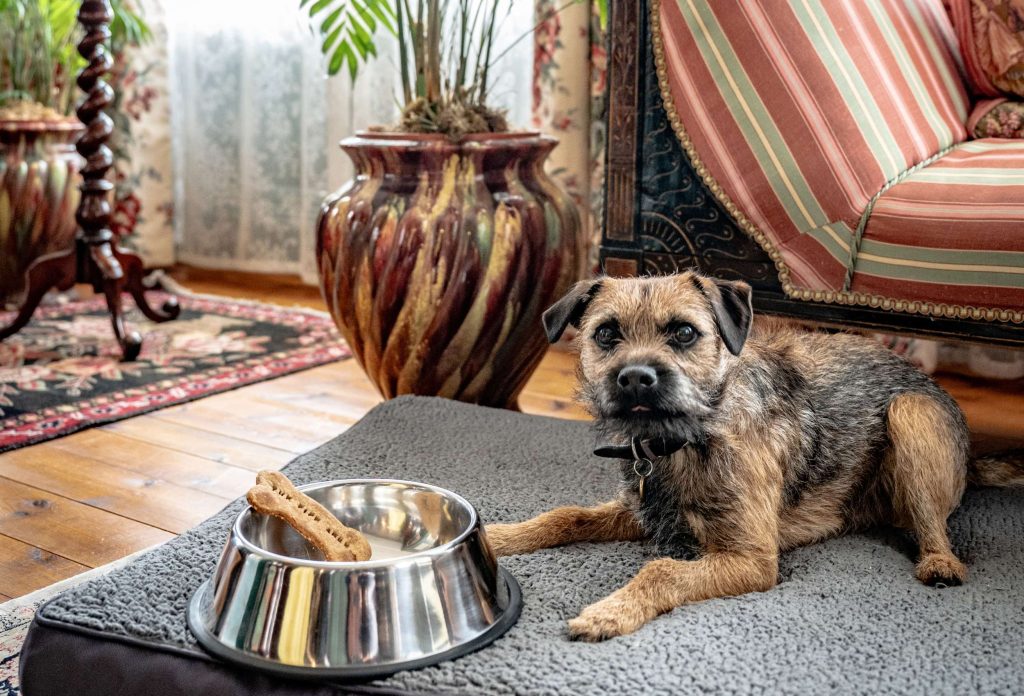 Dogs at the Fife Arms
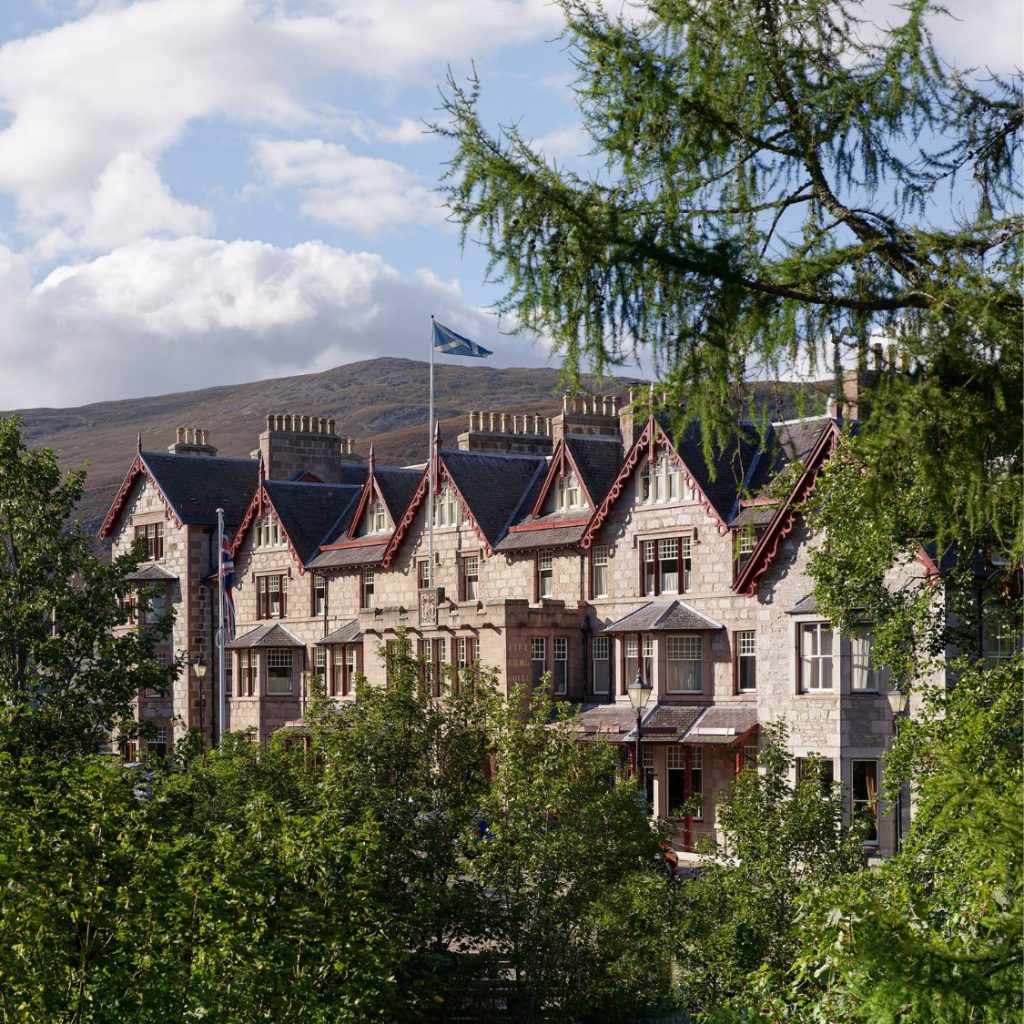 Flying Getaway
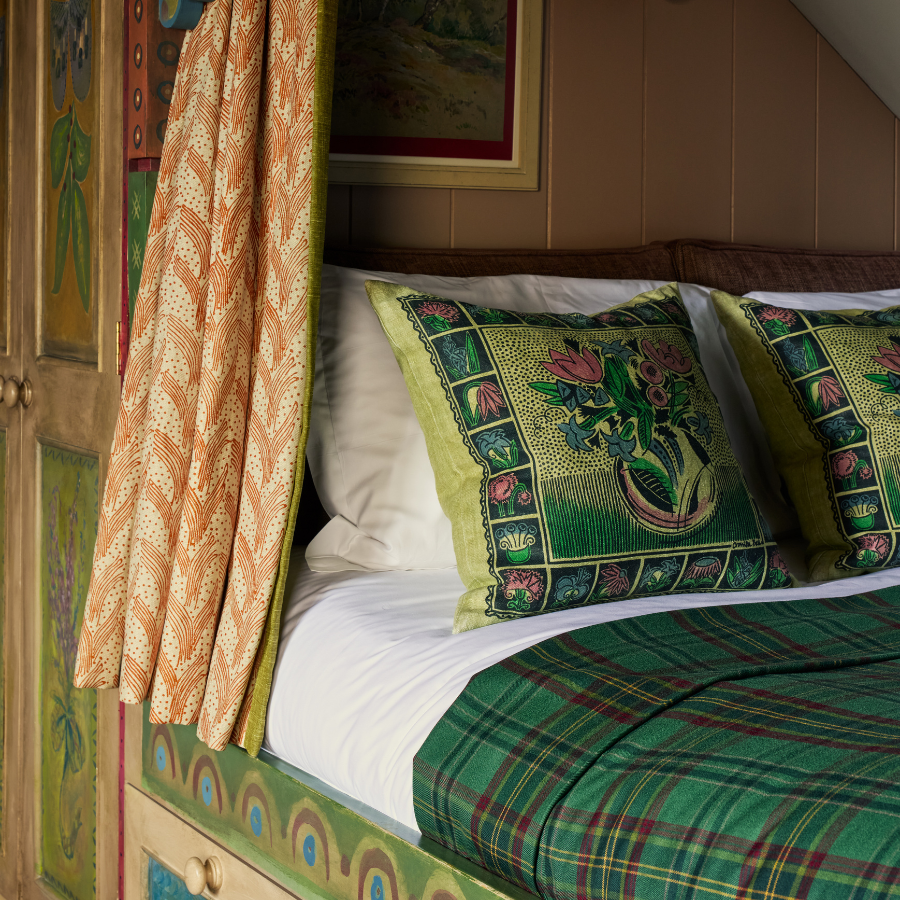 Early Bird Benefits
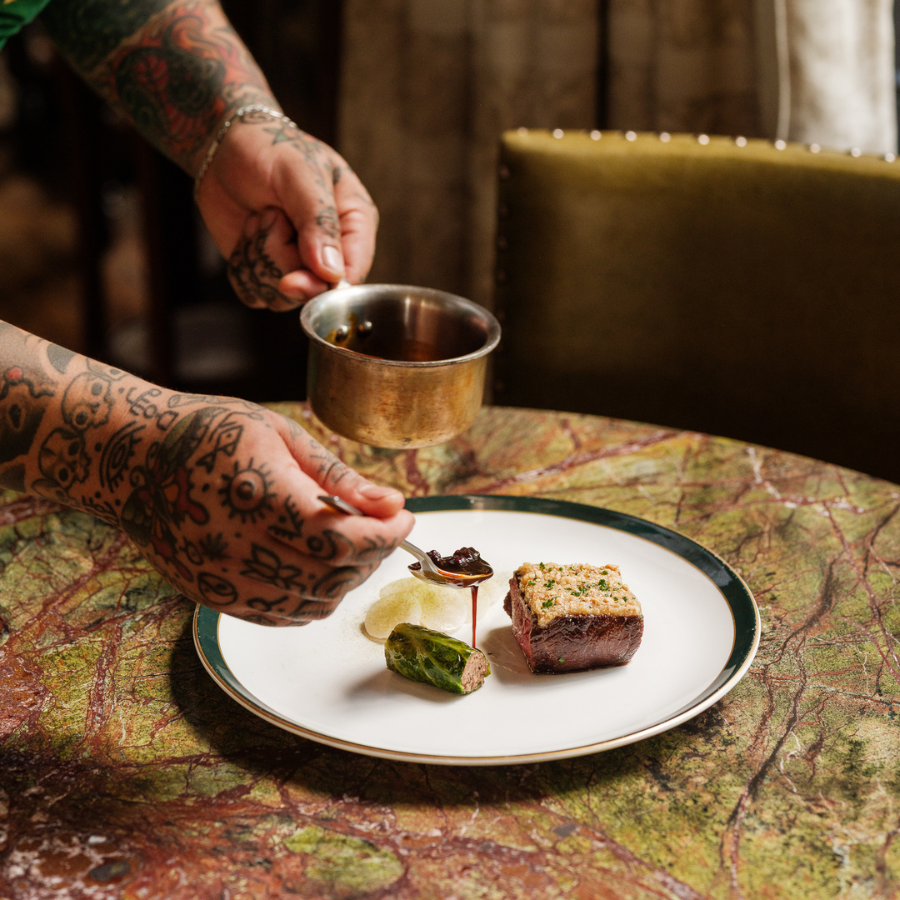 Taste of the Fife
St Andrew’s Day
St Andrew’s Night signals the start of Scotland’s winter celebrations, a season of gathering, good food, music and shared traditions.
Come together for an evening of music and celebration in the heart of Braemar.


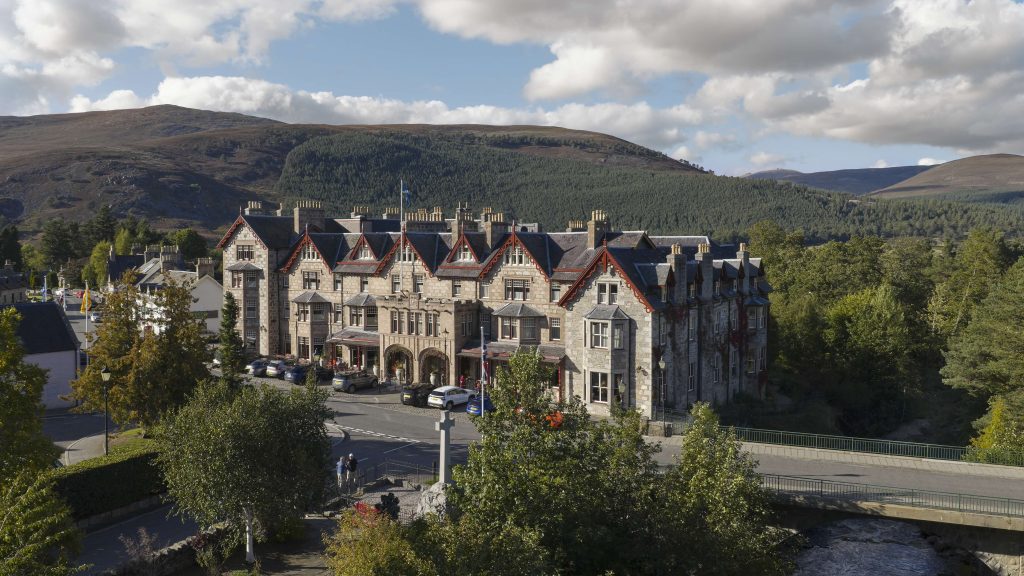
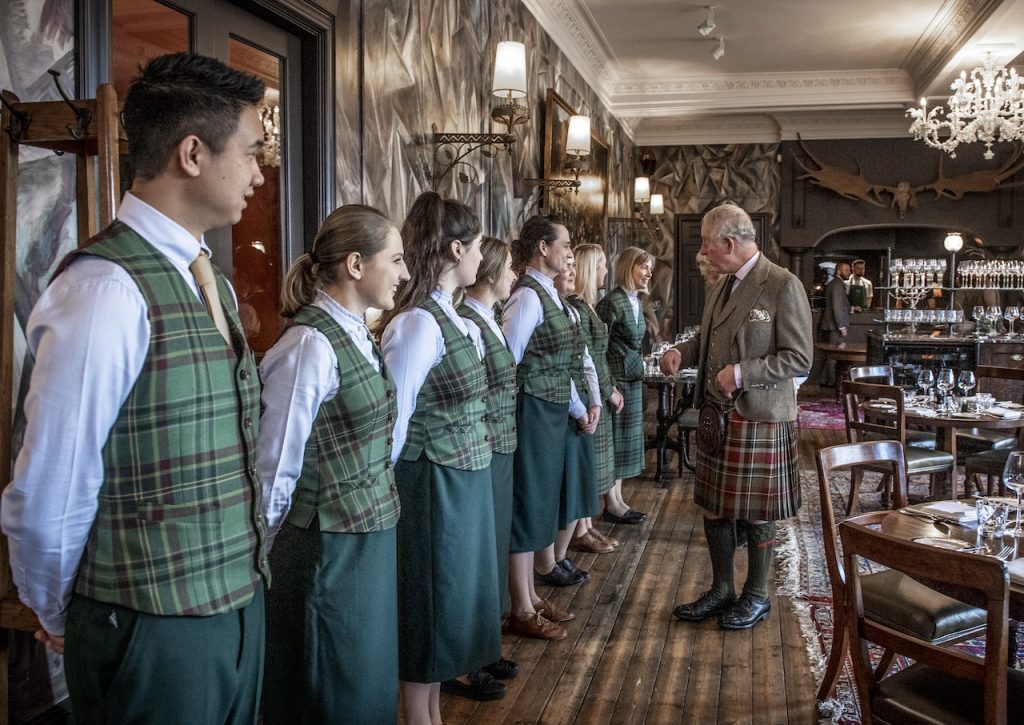
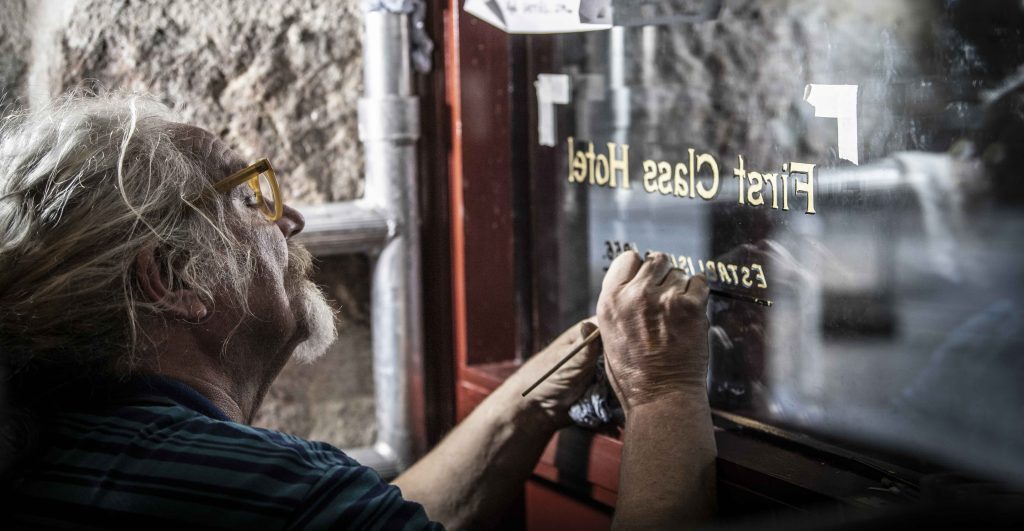

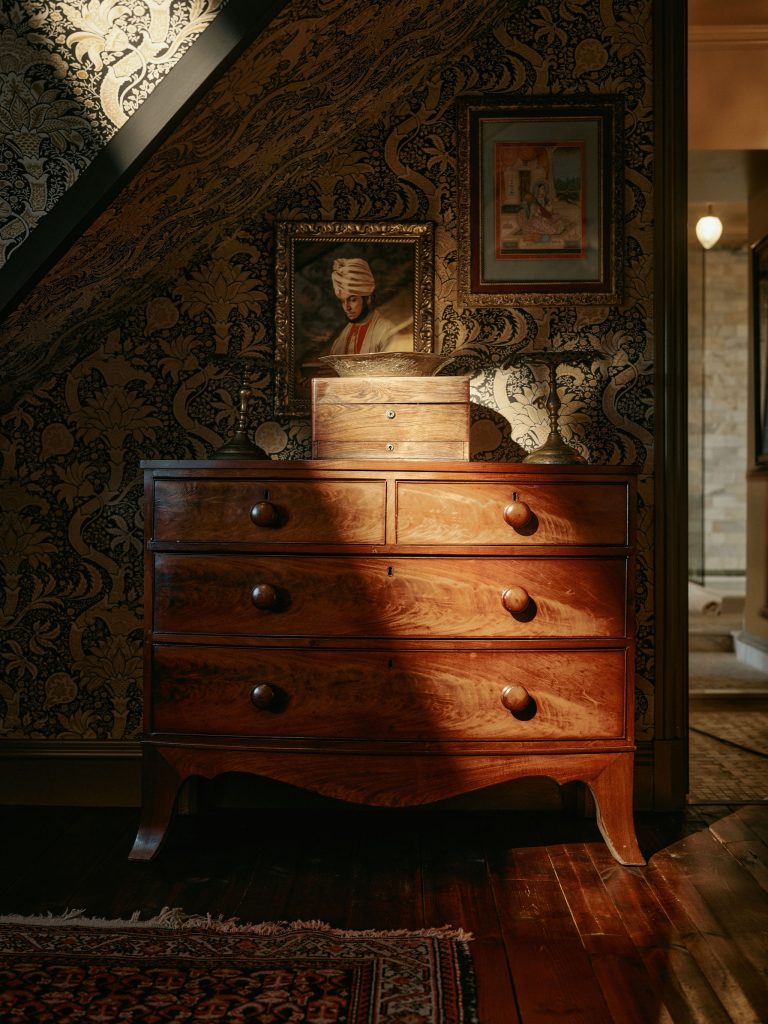
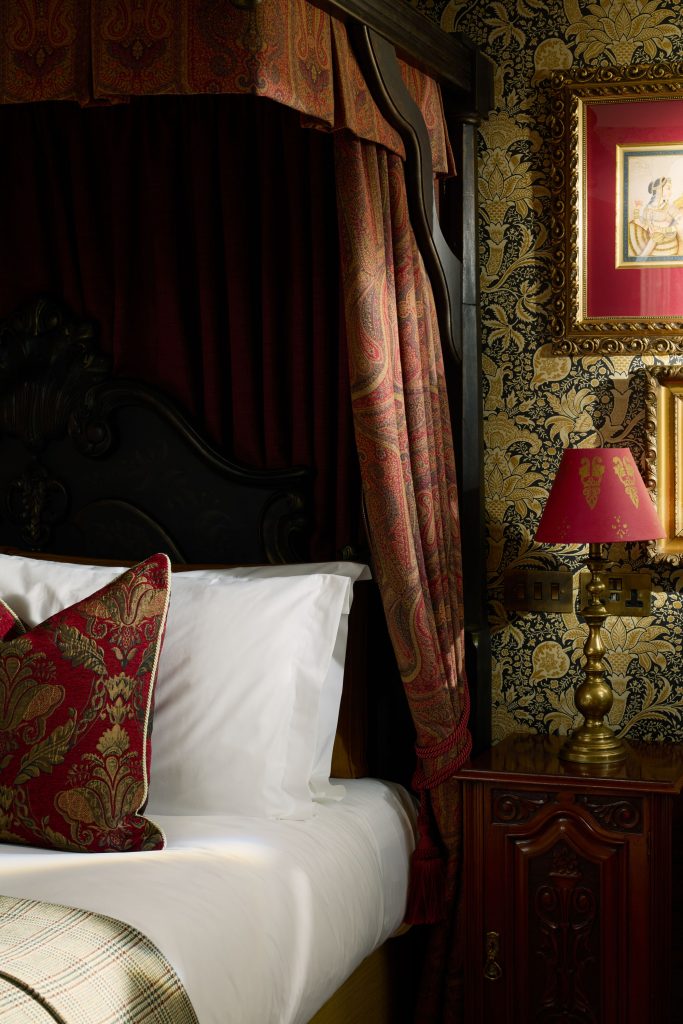
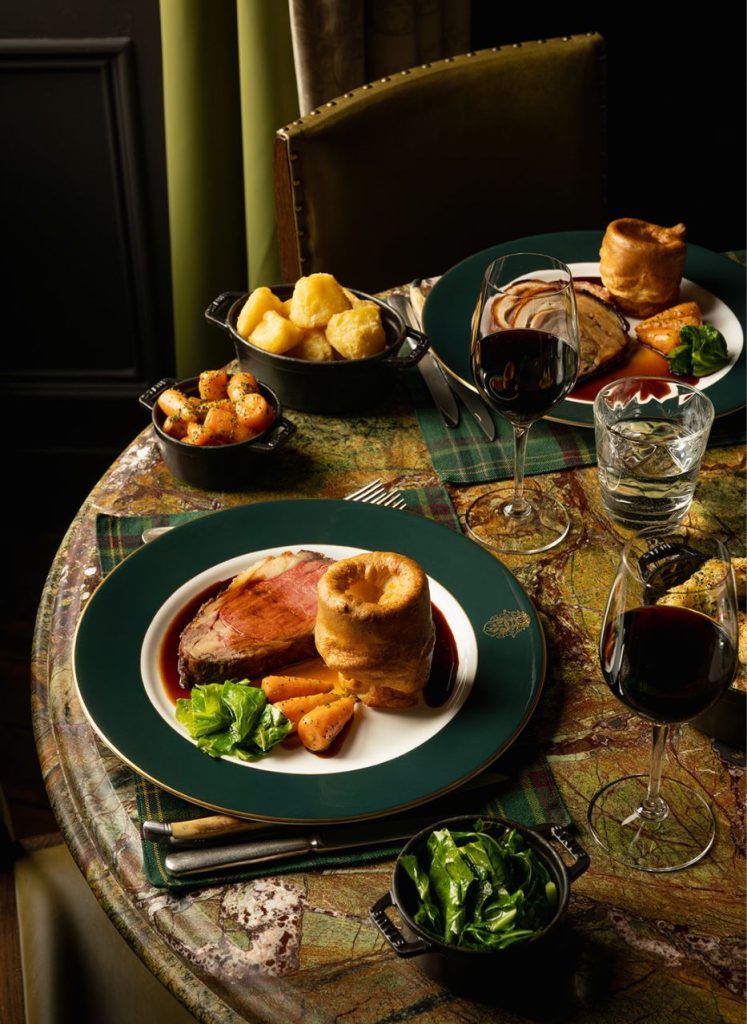
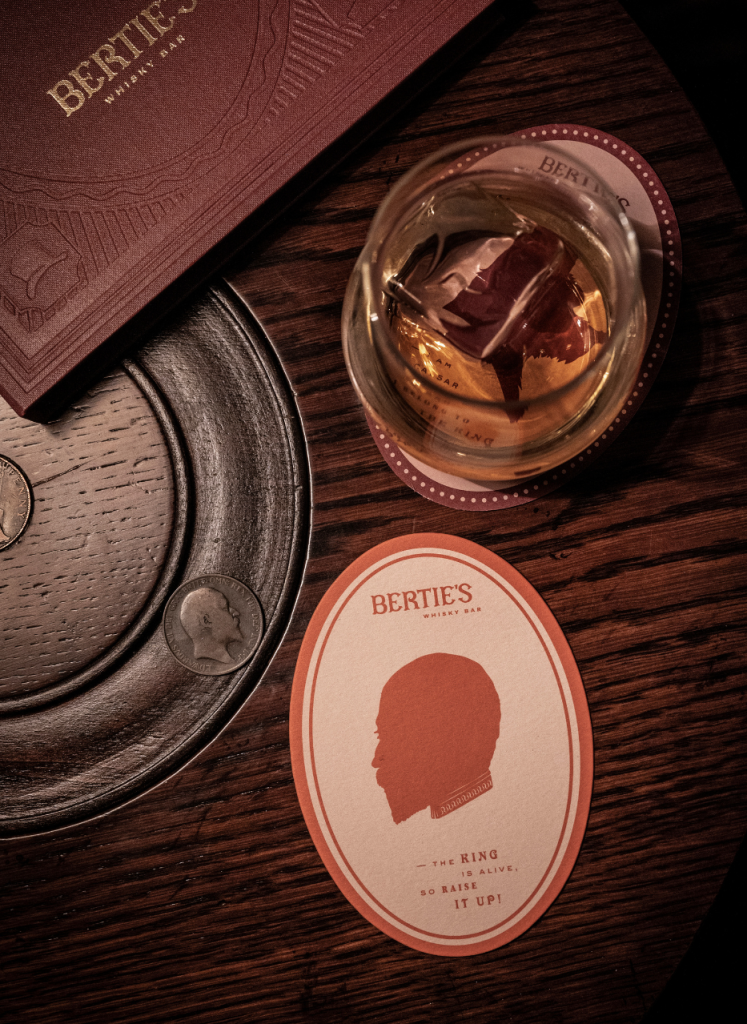
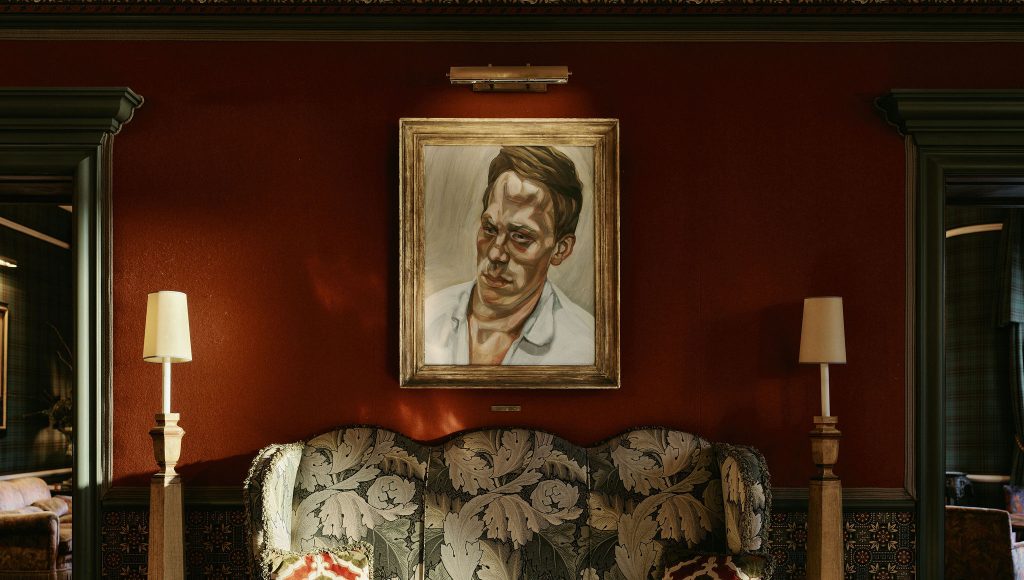
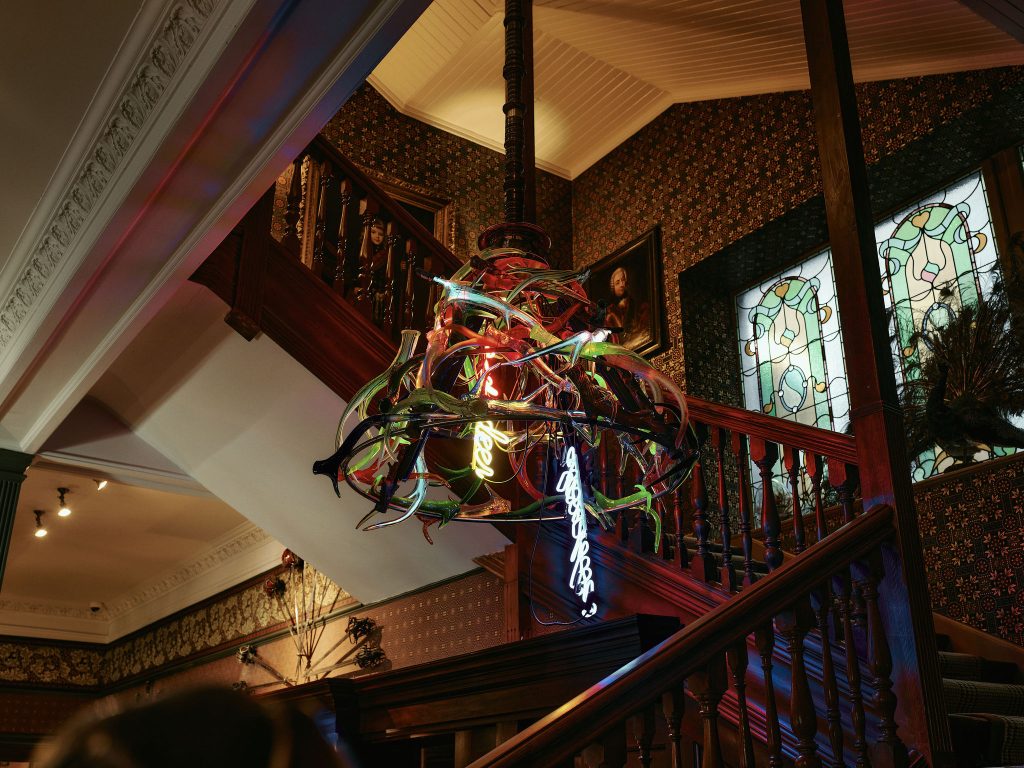



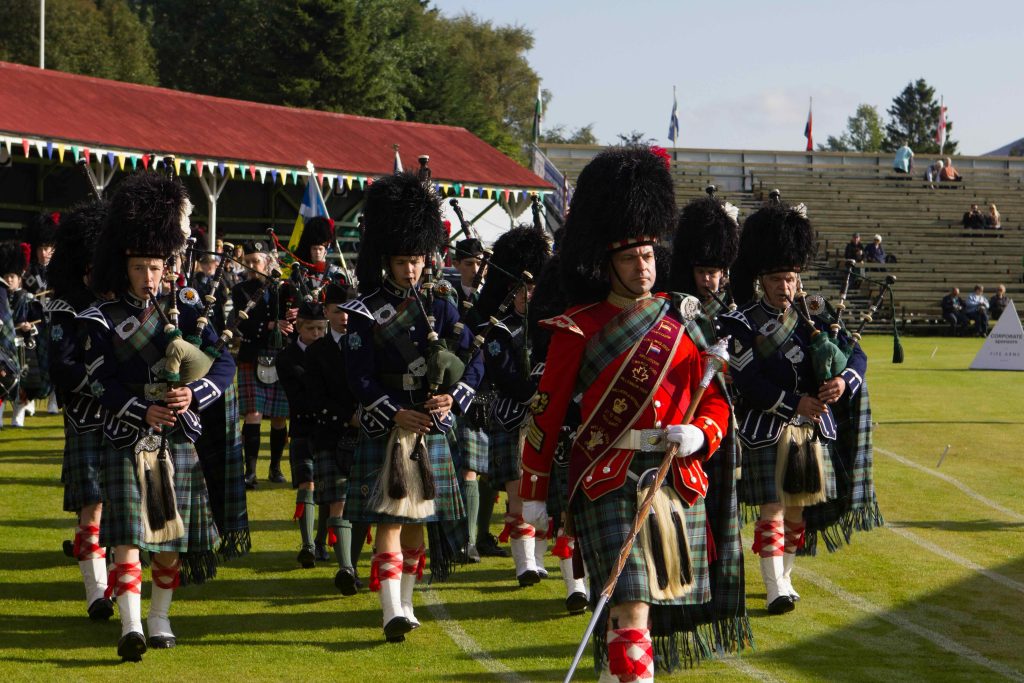
St Andrew’s Night signals the start of Scotland’s winter celebrations, a season of gathering, good food, music and shared traditions.
Come together for an evening of music and celebration in the heart of Braemar.
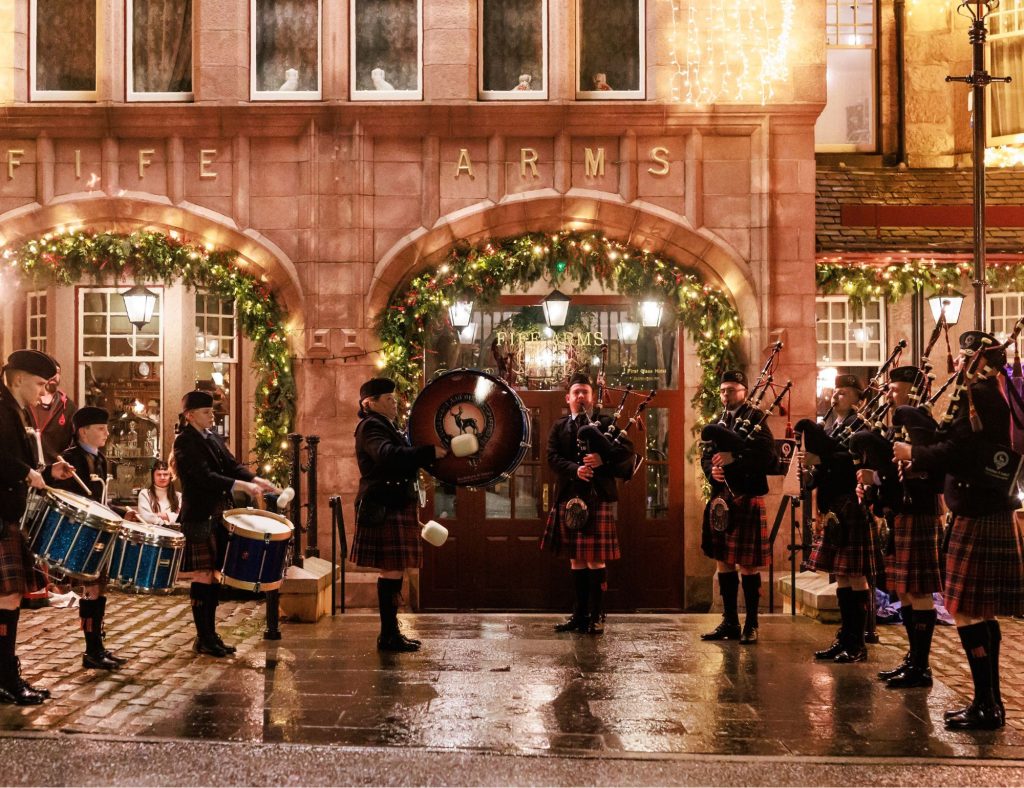

The day is an official bank holiday and provides a fantastic opportunity to celebrate Scottish culture and traditional cuisine and dance.
Typical St Andrew’s Day activities include plenty of food, drink, music and dancing, with festivities often lasting long into the night. Some traditional Scottish dishes to sample on St Andrew’s Day include Cullen skink (fish soup), haggis, neeps and tatties (swede and potatoes) and Cranachan (a Scottish dessert made from cream, raspberries, oats and whisky).
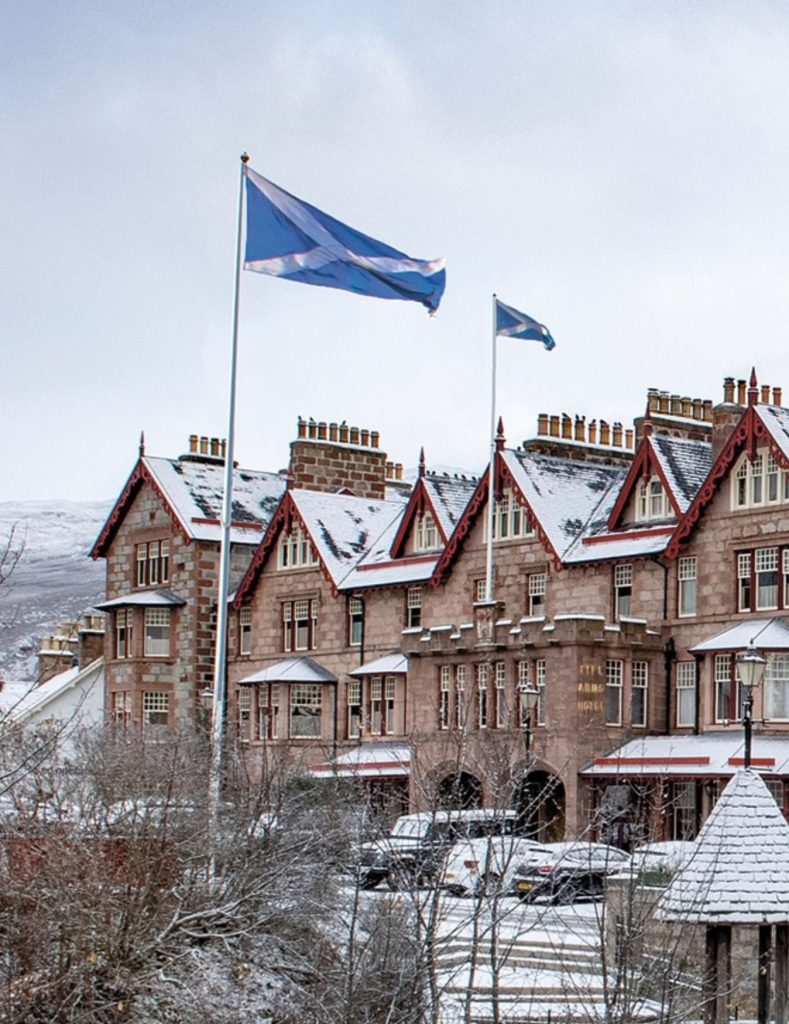
Although St Andrew is Scotland’s patron saint, he wasn’t actually born in Scotland. It is widely believed that Andrew started life as a fisherman before he became one of Jesus’ 12 disciples, along with his brother Peter. Andrew then travelled far and wide to spread Jesus’ teachings, which may be how he came to be known in Scotland, although he may never have set foot in the country himself.
It is believed that when Scottish independence was declared in 1320, Andrew became the patron saint of Scotland. His story went on to shape many different aspects of Scottish culture, including the blue and white flag of Scotland, also known as the St Andrew’s Cross. St Andrew was known for his generosity, which is reflected today in the warm and generous nature of Scotland and its people.
